

Job interview next month. Wedding in the spring. A promotion that means more client meetings. There's always a reason a suit needs to work, and the time to fix one is before that reason arrives.
The five alterations in this guide address the most common fit problems in off-the-rack suits, and most of them can be done in a single appointment for less than a hundred dollars. Here's what each alteration fixes and what to ask for when you book.
Before Any Alteration: Get the Shoulders Right
Shoulder fit is the one thing a tailor cannot fix reliably on an existing suit. Restructuring shoulder seams means dismantling the jacket almost entirely, and on most mid-priced suits, that cost simply is not worth it.
Before anything else, check that the shoulder seam ends at the natural edge of your shoulder, not past it, not short of it. Get that right in the store, and a skilled tailor can handle everything else.
How to Check Shoulder Fit in the Store
- Stand naturally with arms at your sides
- The seam should sit directly at the point where your shoulder ends and your arm begins
- A seam that droops past that point means the jacket is too wide through the shoulders
- A seam that pulls before that point means it is too narrow
- Either is a reason to try a different size or cut, not a reason to alter
1 | The Pant Hem: The Highest-ROI Alteration
Pants that pool at the shoe make the entire suit read as two sizes too big from across the room. Hemmed correctly to a no break or slight break length, those same pants draw the eye in one clean vertical line from waist to shoe, and that is the detail coworkers and interviewers register first, even when they cannot explain why.
What are common suit alteration types? The pant hem is always the first answer, because it delivers more visible improvement per dollar than any other single change.
One thing most people miss: always bring the actual shoes you plan to wear to the hemming appointment. A low-profile dress shoe and a thicker-soled loafer produce different break points at the exact same hem length.
Break Options and When to Use Each
- No break: hem hits right at the top of the shoe. Clean, modern, works well with slim or tapered cuts
- Slight break: a small fold of fabric rests lightly on the shoe. Versatile and works across most suit styles
- Full break: fabric stacks in a fold above the heel. Considered dated in most professional contexts
2 | The Jacket Sleeve: The Detail That Says Off-the-Rack
Most off-the-rack jackets come with sleeves one to two inches too long, burying the wrist and covering the shirt cuff entirely, one of the clearest signs a suit has never been altered. The fix is straightforward: the sleeve should expose roughly a quarter inch of shirt cuff, and that small strip of fabric does more visual work than its size suggests by creating contrast and showing intention.
There are two methods for adjusting sleeve length, and your tailor will determine which applies based on the construction of the jacket. What you need to do is ask for a sleeve length adjustment and wear your dress shirt to the fitting.
What to Bring to a Sleeve Fitting
- Wear the dress shirt you plan to pair with the suit, not a T-shirt or undershirt
- Button the shirt cuff before the tailor measures
- Ask for a quarter inch of cuff exposure as the target, not a rough estimate
- If the jacket has functioning buttonholes on the cuff (surgeon’s cuffs), flag this before alterations begin, as the method changes
3 | The Jacket Waist Taper: From Boxy to Built
Off-the-rack jackets are cut to fit as many body types as possible, which means excess fabric through the waist that makes the jacket hang like a box. A waist taper fixes that by taking in the side seams gently through the midsection, creating a subtle curve that follows the body’s natural shape, and that single change is what separates a suit that looks purchased from one that looks chosen.
That said, the most common mistake is going too far. If the jacket pulls into an X-shape at the button or the lapels gap open, it has been taken in too much. The goal is shape, not compression.
Signs the Taper Is Right vs. Too Tight
- Right: the jacket follows the torso with a gentle curve, lapels lay flat, front button closes without tension
- Too tight: fabric pulls in an X-shape at the chest, lapels gap away from the body, button strains when fastened
- Test it: sit down in the pinned jacket; if it binds across the back or chest when seated, ask the tailor to let it out slightly
4 | The Pant Taper: Cleaning Up the Leg Line
Wide- or relaxed-fit trousers add horizontal volume below the knee that shortens and broadens the silhouette, working against the vertical lines a suit is supposed to create. A subtle taper from knee to ankle brings the leg back into one clean line, and this is especially worth doing on suits bought five or more years ago, when fuller cuts were the default.
The target is a modernized classic cut, not a skinny leg. There should be enough room to move naturally, and if the result feels constricting, it has been taken too far.
How Much Taper Is Appropriate
- A well-tapered trouser leg should have roughly 7.5 to 8.5 inches of opening at the ankle for most builds
- Below 7 inches reads as fashion forward rather than professional, which may or may not be the goal
- Ask your tailor to pin and show you the result while standing before committing to a measurement
5 | The Jacket Length: The Proportion That Affects Everything
Jacket length is the most overlooked proportion in men’s suiting and one of the hardest to fix after the fact. A jacket that ends too low cuts the body in half at the longest possible point, shortening the leg and making the silhouette read as heavy, while one that ends at or near the hip preserves the leg line from waist to shoe.
The quick test: arms hanging naturally at your sides, the jacket’s hem should align with the curl of your fingers. Past that point reads dated, and since most off-the-rack jackets err long, this is a meaningful alteration for any older or inherited suit.
When Jacket Length Becomes a More Complex Fix
- Shortening a jacket from the hem is possible but involves moving all the interior vents and lining, which adds cost
- Lengthening a jacket is rarely possible unless there is seam allowance hidden in the hem, which is uncommon
- For inherited or vintage suits that run significantly long, get a quote before committing to the work
- On newer suits, confirm the jacket length when buying and save the alteration budget for the other four items on this list
How to Find a Tailor Who Actually Knows Men’s Suiting
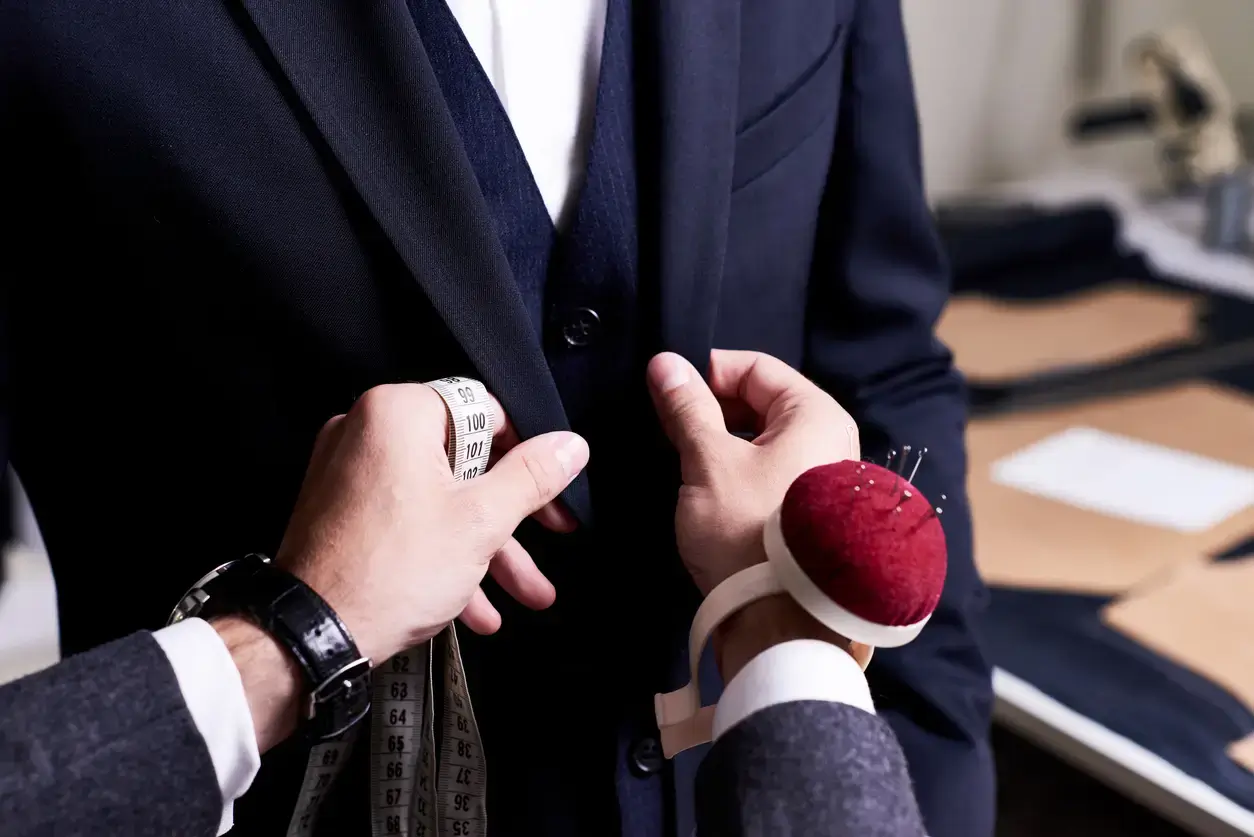
Not all tailors work on suits regularly. Many focus primarily on hems, patches, and basic repairs. That is fine for everyday clothing, but a suit requires someone who understands menswear structure, including how a jacket’s canvas, lining, and seam allowances interact when altered.
Before committing to a tailor for suit work, look for these signals:
- They have specific experience with men’s tailoring, not just clothing repairs
- They pin the suit on your body rather than just measuring it cold
- They ask how you plan to wear the suit (sitting, standing, presenting) before making decisions
- They schedule a fitting before pickup, not a same-day promise
- They are willing to tell you when something is not worth doing or cannot be done well
What to Ask at Your First Fitting
- Can I see examples of suit work you have completed?
- Will I get a fitting before final pickup?
- Are there any alterations to this suit you would advise against?
- Do you handle both the jacket and the trousers in the same appointment?
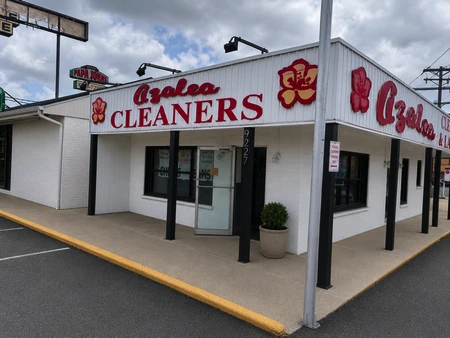
Get Your Suit Properly Altered at Azalea Cleaners
Knowing which alterations in Shreveport, Louisiana matter is one thing; having someone skilled enough to execute them is another. If your suit needs work before an interview, a wedding, or anything in between, this is the place to bring it.
At Azalea Cleaners, your suit is handled by our on-site alteration specialist – a custom tailor with over 30 years of experience. She works directly on every alteration, so there's no outsourcing or guesswork, just expert craftsmanship from one of the best suit tailors in town. Whether you need hemming, tapering, zipper replacements, repairs, or more detailed adjustments, we offer a full range of alteration services to transform an off-the-rack suit into one that looks and feels custom-made.
Bring in your suit, and we will tell you exactly what it needs and get it done right.
📍 732 Azalea Dr., South Highlands, Shreveport, LA
🕒 Monday through Friday, 7:00 AM to 6:00 PM | Saturday, 8:00 AM to 12:00 PM
🌙 Night Drop available 24/7
🗓️ Book Online