

At some point, running the comforter through another wash cycle stops being a solution and starts being a habit. The stain fades slightly or the smell temporarily clears, and then both are back within days.
That cycle isn't progress. It's the same incomplete treatment repeated. The comforter isn't resistant to cleaning. It just needs a different kind, matched to what's actually causing the problem.
This guide breaks down the most common comforter odor and stain problems by type, what causes each, and what actually resolves it.
Why Comforter Odors Persist After Washing: and What Actually Causes Them
Most people assume the outer fabric is where odor lives. It isn’t. The shell washes relatively easily. The fill – down clusters, polyester batting, or wool – is where odor accumulates and stays.
How Comforter Fill Traps Odor Differently Than Surface Fabric
Down, synthetic, and wool fills all absorb differently, but they share one problem: a standard home washer can’t fully reach them.
- Down fill absorbs sweat and body oil at the cluster level. A front-loading home washer doesn’t have the drum space or water volume to fully saturate and rinse a king comforter’s down fill.
- Polyester batting compresses under the weight of water, which limits how much detergent actually contacts the interior fibers.
- Wool fill is especially moisture-sensitive; improper washing can lock in odor rather than release it.
The result: the outer shell smells clean, but the fill still holds whatever caused the problem.
Pet Odors and Why They Require Enzyme Treatment
Pet dander and urine don’t just sit in the fabric; they crystallize in fill material. Water doesn’t dissolve those crystals. It temporarily reactivates them, which is why a comforter washed after a pet accident often smells worse wet than it did dry.
What actually works: enzyme-based cleaners that break down the protein structure of biological odor sources. Without that specific chemistry, washing alone moves the odor around. It doesn’t remove it.
Sweat and Body Odor That Accumulate Over Months of Use
This one is gradual, which is why it catches people off guard. Body oils and sweat deposit into the comforter slowly, through sheets, over months. By the time there’s a noticeable smell, those oils have bonded to fill fibers, and a single wash cycle won’t fully release them.
Louisiana’s heat compounds this faster than most guides account for. A Shreveport bedroom running on an overworked AC unit in July pushes more sweat into bedding than a climate-controlled home in a cooler region. The buildup accelerates, and so does the persistence.
How to Remove Odor From a Comforter at Home: and When It Won’t Work
Before assuming professional cleaning is the only answer, there are legitimate at-home options. They have real limits, but they’re worth trying first, especially for mild or early-stage odor.
The Baking Soda Presoak and What It Realistically Achieves
For light surface odors, a cold water soak with baking soda before the wash cycle can neutralize odor compounds on the outer fabric.
How to do it:
- Fill a tub or large basin with cold water
- Add 1/2 cup of baking soda and stir to dissolve
- Submerge the comforter and let it soak for 30 minutes
- Transfer directly to the washer on a gentle cycle
- Where it works: lightly used comforters, mild odors, surface-level smell from infrequent use.
- Where it doesn’t: pet accidents, months of sweat buildup, post-storage mustiness. Baking soda reaches the surface. It doesn’t reach the fill.
When Home Washing Has Reached Its Limit
Two signs you’ve hit the ceiling of what home washing can do:
- The smell returns within a few days. This means the fill wasn’t fully rinsed, the detergent masked the odor temporarily, and it came back as the fill dried.
- It smells fine dry, but musty when warm or slightly damp. This is especially common in Shreveport summers. Warmth and humidity reactivate an odor source that’s still present in the fill. The wash didn’t remove it; it just temporarily suppressed it.
At this point, another wash cycle will redistribute the problem, not fix it.
How to Get Stains Out of a Comforter: By Stain Type
Stain removal is not one-size-fits-all. The right approach depends on what the stain is made of. Using the wrong method, especially heat at the wrong stage, can make a stain permanent.
Food and Beverage Stains: Treat Immediately With Cold Water
Speed matters here. The longer a food or drink stain sits, the deeper it bonds.
Steps:
- Blot immediately with a clean cloth, don’t rub
- Rinse with cold water to dilute the stain
- Apply an enzyme-based pretreatment and let it sit for 30 or more minutes
- Wash on a gentle cycle in cold water
No heat until the stain is completely gone. Hot water and the dryer set organic stains permanently. If you’re not sure it’s fully out, air dry and check before running it through the dryer.
Oil-Based Stains (Lotion, Body Oil, Makeup): Use Dish Soap First
Laundry detergent is designed for general cleaning. It’s not a degreaser. For body lotion, skin oil, and makeup, you need something that cuts through oil specifically.
What works:
- Apply a small amount of dish soap directly to the stain
- Work it in gently with your fingers or a soft brush
- Let it sit for 15 to 20 minutes before washing
This breaks down the oil structure before it hits the washer, something standard detergent alone won’t do.
Blood Stains: Cold Water Only, Heat Makes Them Permanent
Blood is a protein stain. Protein binds to fabric fibers at high temperatures and becomes nearly impossible to remove once heat set.
- Always cold water, start to finish
- For fresh stains: apply hydrogen peroxide directly to the stain; it foams and lifts the blood
- Test hydrogen peroxide on a hidden area first if the comforter is dark or colored; it can lighten fabric
- For dried blood stains: soak in cold water with an enzyme-based cleaner before washing
Never put a blood stained comforter in the dryer until you’re certain the stain is gone.
Old or Set Stains That Home Treatment Hasn’t Removed
A stain that’s been washed and dried even once has been partially heat set. That doesn’t make it untreatable, but it does lower the odds of full removal at home.
The longer a stain has been in the fabric, the more it has bonded. At-home enzyme treatments can still make progress, but they’re working against time and heat. Professional pretreatment with the right chemistry, matched to the stain type, gives the best realistic outcome for anything that’s already been through a dryer cycle.
When a Comforter Needs Professional Cleaning Rather Than Another Home Wash
There’s a point where putting the comforter through another home cycle doesn’t do anything useful. Here’s how to recognize it.
The Size Problem: Why Home Machines Often Can’t Finish the Job
A king comforter weighs 7 to 12 pounds dry. For it to wash properly, it needs room in the drum to move, enough for water and detergent to reach the fill throughout the cycle.
Most home washers can’t provide that for an oversized comforter. The fill compresses, agitation is limited, and the rinse doesn’t fully penetrate. What comes out smells clean right away because detergent masks the odor. Within a few days, as the fill finishes drying, the original smell returns.
Commercial machines sized for oversized bedding solve this directly. The drum space, water volume, and cycle intensity are different, and that’s why the result is different.
The right call for professional cleaning:
- Persistent odor after two or more home washes
- Pet accidents, especially urine
- Set stains that survived the dryer
- Down comforters, which require specific drying conditions to prevent mold in the fill
- Comforters that came out of long-term storage smelling off
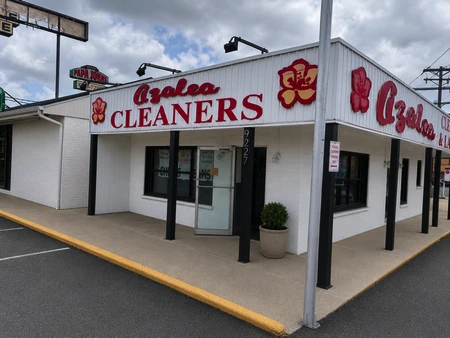
Still Smelling It After Two Washes? Let Azalea Cleaners Fix It
If you’ve worked through the home treatments in this guide and the odor or stain is still there, it’s not a technique problem, it’s an equipment and chemistry problem. Oversized bedding with embedded odor or set stains needs commercial-grade cleaning home machines simply aren’t built to deliver.
At Azalea Cleaners, we’re a family-owned and operated business, which means you don’t drop off your comforter cleaning with a faceless operation, you work with people who treat customers like family. We handle comforter odor and stain treatment with commercial equipment sized for oversized bedding, and we make sure it’s done right before it comes back to you.
If your comforter has been through enough home washes, bring it in. We’d love to take care of it for you.