

Most stain advice treats home washing as a safe first move, worst case, the stain just stays. That holds for many spills, but not for the seven types below. Running them through a washer and dryer doesn't just fail to help. It locks in the stain, sometimes for good. Heat sets certain stains the way it sets dye, and water spreads others wide before they have a chance to lift.
So is dry cleaning better for removing stains naturally than a home wash? For these seven, yes, and the reasons are chemical, not habit. Each section below breaks down what actually goes on in the fabric and what to do the moment it hits, before a home wash decides for you.
Oil and Grease Stains
Cooking oil, butter, salad dressing, motor oil, hand lotion. None of them responds to water.
Water and oil repel each other. That's why home detergent struggles here: it breaks down some of the oil, rarely all of it. Then the dryer's heat bakes in what's left, making the stain far harder to lift afterwards.
Dry cleaning skips water for solvents, which dissolve oil directly. That's the real answer to the question of whether or not dry cleaning can remove stains naturally: the method matches the chemistry.
What to Do the Moment It Happens
- Blot with a dry cloth. Don't rub, don't add water.
- Skip the stain stick and the pretreatment spray. Both are water-based and won't touch oil.
- Keep the garment away from any heat source, including a warm car dashboard, until it's been professionally treated.
- Take it in within a day if at all possible.
Red Wine on Light or Delicate Fabrics
Red wine earns the panic. Its tannins oxidize fast, often within hours of hitting fabric. Once oxidized, they bond deeper into the fiber and darken. Home detergent isn't built to break that bond, and scrubbing (the instinct) just spreads the stain into a wider ring.
Why Blotting Beats Every Home Remedy You've Heard
Club soda, salt, white wine poured over red wine: none of these is grounded in anything that actually breaks down tannins. At best, they dilute the stain temporarily. At worst, the extra liquid pushes the wine deeper into the weave.
- Blot from the outside of the stain inward. This keeps it from spreading.
- Don't apply water or any home remedy. Dilution isn't removal.
- Never put a wine stained garment into the dryer. Heat sets tannins the same way it sets oil.
- Get it to a cleaner within 24 hours for the best odds.
Ink: Ballpoint, Gel, and Permanent Marker
A pen exploding in a pocket, a marker cap left off near a school bag: both are harder to fix than people expect.
Most ink is alcohol-based or solvent-based, so water spreads it instead of dissolving it. A permanent marker is built to resist water, which is why it survives a normal wash intact. Home ink remover products often strip dye along with the ink, trading one problem for another.
Ballpoint vs. Permanent Marker: Why the Difference Matters
Ballpoint and gel ink are typically dye-based and slightly more responsive to targeted treatment. Permanent marker is pigment-based and bonds to the fiber on contact, which is why it needs a different chemical approach entirely.
- Don't rub the stain. This drives ink deeper and widens the mark.
- Skip hairspray and rubbing alcohol. Both are inconsistent and can damage colored or delicate fabric.
- Note the kind of ink (pen brand, marker type) before you take it in. It helps the cleaner choose the right compound.
Dry cleaning has access to specialty ink removal compounds built to target the ink without stripping the dye underneath, something a home remover simply isn't formulated to do.
Lipstick and Oil-Based Makeup
Collars and cuffs take the brunt of this one. Lipstick and foundation share a structure: wax and oil carrying pigment.
Water can't dissolve either, so a home wash just moves the stain around. Rubbing pushes pigment deeper instead of lifting it, and the dryer sets both the oil and the pigment for good.
The Fabrics Most at Risk
Silk and other delicate weaves absorb oil-based stains faster than cotton or synthetic blends, because the fibers are more porous. A lipstick smear on a silk blouse needs faster attention than the same smear on a cotton T-shirt.
- Blot off excess product immediately. Don't smear it.
- Leave the garment folded so the stain doesn't transfer to another part of the fabric.
- Avoid any home stain pen. Most are water-based and won't touch the oil component.
Can stains be removed by dry cleaning naturally in cases like this? Yes, because professional cleaning treats the oil and the pigment as two separate problems, using solvent for one and targeted spotting for the other.
Blood, Especially Once It's Already Set
Blood is a protein stain, and protein stains follow their own rules. Fresh blood in cold water sometimes lifts on its own, which is where the “just rinse it” advice originates. The problem is timing.
A warm wash or the dryer denatures the proteins before they're fully treated, and once that happens, they bond permanently with the fabric. Most people don't catch the stain in time, or toss it in with a regular warm load without thinking.
The Cold Water Myth (And Where It Falls Apart)
Cold water rinsing genuinely does work, but only within a narrow window and only if no heat touches the stain afterwards. One warm wash, one trip through the dryer, and that window closes for good.
- Rinse gently in cold water only if you can do it immediately.
- Never use hot water on a blood stain, even to help the process.
- If the item has already been through a warm wash or dryer cycle, stop trying to treat it at home. Take it in.
Professional cleaners use enzyme pretreatments built specifically to break down set proteins, something no home detergent is formulated to do once the stain has bonded.
Coffee and Tea on Silk, Wool, or Other Protein Fibers
Coffee and tea are tannin-heavy, similar to red wine, but the fabric they land on changes the outcome completely.
On silk or wool, the tannins bond aggressively with the protein structure of the fiber itself. Adding water at home, which is unavoidable in a normal wash, swells those protein fibers and drives the tannins in deeper rather than washing them out.
When Coffee and Tea Actually Are DIY Safe
This is the one stain on this list where fabric type changes the answer. On cotton or polyester, a fresh coffee or tea stain often responds fine to a quick cold rinse and standard detergent, because those fibers don't have the same protein structure.
- On silk, wool, cashmere, or other protein fibers: always professional, no exceptions.
- On cotton or polyester: a fast rinse can work, but check the care label first.
- When in doubt about the fabric: treat it like silk. Being overly cautious costs less than being wrong.
Yellow Sweat Stains on Collars and Underarms
This one surprises most people. Yellow underarm and collar stains aren't sweat. They're a slow chemical reaction between body proteins, antiperspirant's aluminum compounds, and the fabric, building up over repeated wears.
It's a chemical bond, not surface residue, so standard detergent can't touch it. That's why the stain keeps reappearing even when the shirt looks clean otherwise.
Why Bleach Makes This One Worse, Not Better
Bleach lightens the tint, but it also weakens the fiber right where it's already compromised. Over time, bleached collars thin out and tear faster than the rest of the shirt.
- Skip bleach. It masks the color, not the bond.
- Rotate antiperspirants or ease up on reapplication if this keeps happening on the same shirts.
- Bring in recurring stains early, before they build up over months.
Professional treatment uses targeted enzymes and oxidizers to break the bond without weakening the fabric like bleach.
Already Washed the Stain? Here's What to Do Now
If you're reading this after the fact, after the stain already went through a home wash or a dryer cycle, don't assume it's a lost cause. Take the garment to dry cleaning anyway.
Professional cleaners see set-in stains constantly, and a fresh stain has the best odds. What matters now is what you do next.
- Don't wash it again. A second home wash cycle only sets the stain further.
- Don't try a stronger home remedy to fix the first attempt. Layering treatments often makes removal harder.
- Point out exactly what caused the stain and roughly when the wash happened. That timeline helps a professional choose the right treatment.
- Take it in as soon as you notice it's still there, rather than waiting to see if it fades with wear.
Dry cleaning gives that stain its best remaining shot, and it's always a better move than another round of home remedies.
The First 24 Hours Decide Everything
Across all seven stain types above, timing is the single biggest factor in whether or not a stain comes out. A fresh stain taken straight to a professional cleaner has roughly a 60 to 90 percent removal rate. Run that same stain through a home wash and dryer cycle first, and the odds fall sharply, sometimes as low as 10 to 40 percent.
The gap isn't about which cleaner you use. It's about what happens to the stain chemically in those first hours.
A Quick Triage Checklist for Any Stain
- Blot, don't rub, regardless of what caused the stain.
- Skip water unless you're certain the stain type responds to it (see coffee and tea above).
- Never apply heat – no dryer, no iron, no hot water – until the stain has been professionally assessed.
- When you're not sure what category a stain falls into, treat it as urgent and take it in rather than experimenting.
Before You Try Another Stain Remover, Take It to Azalea Cleaners
If you're standing over one of these seven stains right now, don't reach for another home remedy. Every hour you wait changes the odds, and we'd rather see the garment before that window closes with proper dry cleaning.
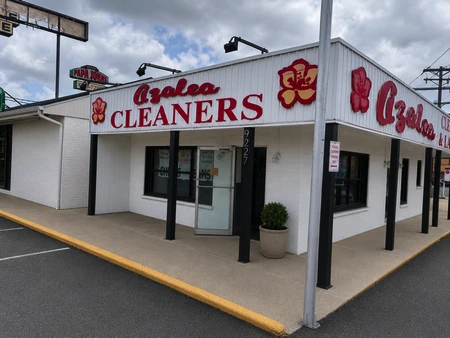
At Azalea Cleaners, we've been doing this in Shreveport since 1958, and every piece that comes through our doors is hand-finished and pressed with the same attention, stain or no stain. We pair that hands-on dry cleaning process with Presso cleaning technology and transparent pricing, so you know what you're getting before we start.
New here? Take 20% off your first order and let us show you what careful handling actually looks like.
Address: 732 Azalea Dr., South Highlands, Shreveport, LA
Phone: +1 318-861-0557
Email:azaleacleaners@yahoo.com
For many people, dry cleaning starts as something you only consider occasionally, usually when you come across a garment that can’t go into the washing machine. Because it’s not part of your regular routine, the process can feel unfamiliar at first.
If you've never used a dry cleaner before, you may not be aware of when you need one, how they work, or what to expect when you're there for the first time. In time, however, dry cleaning becomes a useful tool to maintain certain types of clothing.
So for you to be able to trust it more fully, it’s important for you to understand the process. As you go through this guide, you will learn more about preparing your clothes for dry cleaning and what happens to them during the process.
How to Prepare Your Clothes Before Going to the Dry Cleaner
Getting your clothes ready before going to the dry cleaner can really help improve the results. The dry cleaning process can handle delicate fabrics and tough stains, but a little preparation makes sure nothing gets missed.
It also helps the cleaner know how to properly care for your clothes, especially if there are specific stains or fabric concerns. If it’s your first time using dry cleaning, this step can help you feel more confident and keep your clothes in good condition.
Follow these simple but essential steps to make sure your items are ready for professional care:
1. Check the Care Label First
Before assuming an item needs dry cleaning, take a moment to read the care label.
- “Dry Clean Only” → These garments should not be washed with water
- “Dry Clean Recommended” → Safer to dry clean, but may tolerate gentle washing
- “Do Not Dry Clean” → Requires alternative cleaning methods
Quick Tip: If a garment combines multiple fabrics (i.e., wool with silk lining), dry cleaning is usually the safest option to avoid uneven damage.
2. Look for Stains and Damage
Inspect your clothes carefully before drop-off. This helps cleaners apply the right treatment during the dry cleaning process.
- Identify stains and note their source (oil, wine, ink, etc.)
- Check for odors such as smoke or food smells
- Look for loose buttons, broken zippers, or weak seams
Quick Tip: Avoid treating stains yourself. DIY attempts can make stains harder to remove during dry cleaning.
3. Empty Every Pocket
One of the most common issues in dry cleaning comes from forgotten items in pockets.
- Remove coins, receipts, and tissues
- Take out pens that could leak
- Check for sharp objects such as keys or pins
Even small items can damage fabrics or interfere with how the machine performs dry cleaning.
4. Sort by Fabric and Color
While cleaners will sort items themselves, doing a quick check at home helps prevent mix-ups.
- Delicates: silk, wool, lace
- Heavier items: coats, denim, suits
- Light vs. dark colors: reduces risk of dye transfer
Bring matching sets (i.e., suits) together so they are cleaned evenly.
5. Remove Lint and Pet Hair
Dry cleaning removes dirt and oils, but it may not fully eliminate surface lint or pet hair.
- Use a lint roller or brush before drop-off
- For stubborn hair, use a slightly damp cloth
This step keeps your garments cleaner and prevents transfer to other items.
6. Present Clothes Neatly
How you bring your clothes matters more than most people think.
- Hang structured items such as suits and dresses
- Neatly fold softer garments
- Avoid stuffing clothes into bags
Neatly presented clothes are easier to inspect and handle during the dry cleaning process.
7. Communicate with Your Cleaner
Clear communication significantly improves results.
Let your cleaner know about:
- Specific stains and their causes
- Delicate fabrics that need extra care
- Repair requests (buttons, hems, etc.)
- Pressing or folding preferences
Many cleaners also offer eco-friendly dry cleaning options, so don’t hesitate to ask.
8. Confirm Details Before Leaving
Before you walk out, double-check everything.
- Review your receipt
- Confirm all items are listed
- Ask about pickup time
- Request rush service if needed
Keeping track of these details ensures a smooth experience from drop-off to pickup.
Preparing your clothes for dry cleaning is all about paying attention to the small details. Checking care labels, communicating clearly with your cleaner, and handling your garments with care can all make a big difference in the final results.
What Really Happens During the Dry Cleaning Process
Dry cleaning is more than just a way to clean your clothes. It is a careful, step-by-step process designed to protect and restore garments that cannot be washed with water. Instead of water, professionals use special solvents to remove dirt, oils, and stains without damaging your fabric.
This is especially important for your delicate fabrics and structured clothing that need extra care. Each stage has a specific purpose, ensuring your garments come back to you clean, fresh, and professionally finished.
Step-by-Step Process: How Dry Cleaning Works Behind the Scenes
Step 1: Inspection and Tagging
Every garment goes through an initial check before cleaning begins.
- Items are tagged for identification
- Technicians inspect for stains, damage, or missing parts
- Special instructions are noted
This step ensures your clothes are tracked and handled correctly throughout the dry cleaning process.
Step 2: Pretreatment of Stains
Before the main cleaning cycle, stains are treated individually.
- Oil-based stains (grease, makeup) require solvent-based solutions
- Water-based stains (sweat, wine) need different treatments
- Technicians use targeted techniques based on stain type
This is a critical part of how dry cleaning works effectively on stubborn spots.
Step 3: Machine Cleaning with Solvent
This is where the core dry cleaning process happens.
- Clothes are placed in a specialized machine
- A liquid solvent circulates through the fabric
- Gentle movement lifts dirt and oils without damaging fibers
Unlike water washing, this method prevents shrinkage, fading, and distortion.
Step 4: Solvent Removal and Drying
After cleaning, the machine removes the solvent completely.
- Solvent is extracted and filtered for reuse
- Warm air dries garments inside the machine
- Clothes come out clean and dry
This closed-loop system makes the dry cleaning process efficient and controlled.
Step 5: Finishing and Pressing
Garments are then restored to their original shape.
- Steam or pressing removes wrinkles
- Structured items are reshaped carefully
- Pleats and creases are refined
This step gives clothes that crisp, professional look associated with dry cleaning.
Step 6: Final Inspection and Packaging
Before returning your items, cleaners perform one last check.
- Inspect for remaining stains or issues
- Re-treat if necessary
- Package garments neatly for pickup
Clothes are then covered to protect them until you collect them.
Quick Reminder: As soon as you get home, take the plastic cover off your clothes. Leaving it on traps moisture and stops the fabric from breathing properly.
The dry cleaning process uses specialized equipment and careful, hands-on attention at every stage to care for your clothes. From the first inspection to final packaging, each step is designed to thoroughly clean your garments while protecting their fabric.
Make Your First Dry Cleaning Experience Truly Worth It – Visit Azalea Cleaners Today
If you’re still unsure about which items need dry cleaning or how to care for them properly, you’re not alone. Getting the right guidance can make a real difference in keeping your clothes in good condition.
At Azalea Cleaners, we have been providing dependable dry cleaning and garment care since 1958, delivering the level of attention our customers have come to expect. We specialize in hand finishing, which means each piece is meticulously pressed for a clean, polished look. We also offer same-day and next-day dry cleaning service, along with VIP Express Bags and FREE Pickup and Delivery Service to make the process easier for you. When you trust us with your clothes, you can feel confident they are handled with care from start to finish.
Ready to get started or have a question about your garments? Give us a call at +1 318-861-0557 – we are happy to help.